
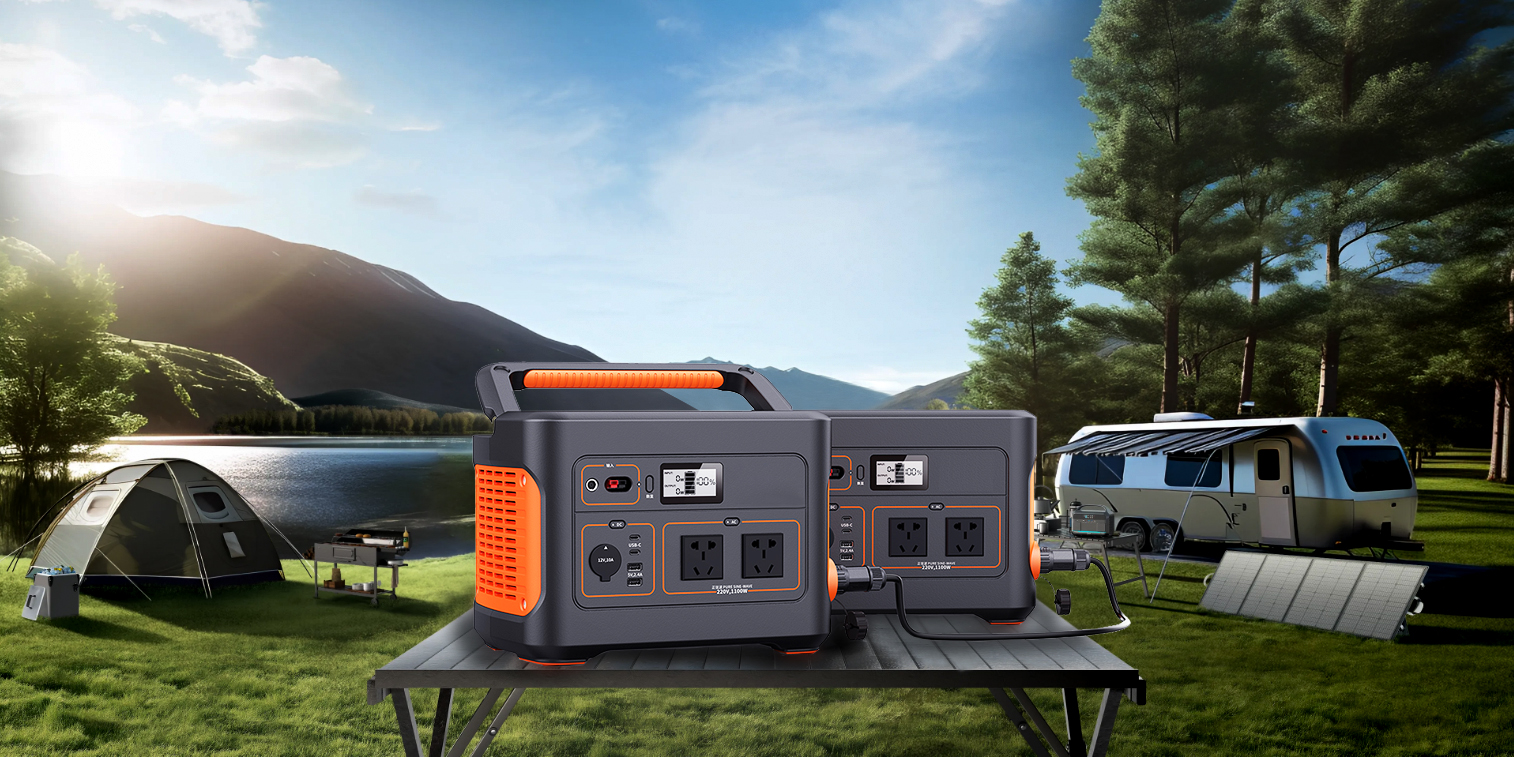
تُقدّم شركة تصنيع أسلاك الطاقة الجديدة حلولاً مُخصصة لأنظمة الطاقة الجديدة، تدعم التحول الكهربائي المتقدم والاستدامة. يشهد السوق نموًا سريعًا مدفوعًا بالطلب المتزايد على مسارات التوصيل الفريدة، وقدرة تحمل التيار العالي، ومقاومة الظروف البيئية. تقنية الاتصال الذكي مجموعة أسلاك الطاقة الجديدة يُظهر الابتكار الصناعي من خلال مواد خفيفة الوزن وصديقة للبيئة وتصاميم مُحسّنة بالذكاء الاصطناعي لمشاريع الطاقة الشمسية والمركبات الكهربائية وتخزين الطاقة.
توفر حزم الأسلاك المخصصة حلولاً مصممة خصيصاً لأنظمة الطاقة الجديدة، مما يضمن السلامة والكفاءة في البيئات الصعبة.
يُعد اختيار المواد والمكونات المناسبة أمرًا بالغ الأهمية من أجل المتانة والأداء؛ لذا أعط الأولوية للموصلات والعزل عالي الجودة.
يعزز التواصل الفعال مع مورد أسلاك التوصيل نجاح المشروع، مما يؤدي إلى حلول موثوقة ومتوافقة مع المعايير.
تجمع حزمة الأسلاك المصممة خصيصًا عدة أسلاك وكابلات وموصلات في وحدة واحدة منظمة. يُستخدم هذا الحل لتبسيط الأنظمة الكهربائية المعقدة وضمان نقل الطاقة والإشارات بشكل موثوق. على عكس حزم الأسلاك القياسية، تُصمم حزمة الأسلاك المصممة خصيصًا لتلبية احتياجاتك المحددة. يمكنك اختيار طول السلك ونوع العزل ونمط الموصل بما يتناسب مع تطبيقك. بالنسبة لأنظمة الطاقة الجديدة، يجب أن تتحمل أسلاك الطاقة الجديدة المصممة خصيصًا الفولتية العالية والتيارات الكبيرة. يُحسّن هذا النهج السلامة والكفاءة في البيئات الصعبة.
تُعدّ مجموعة أسلاك الطاقة الجديدة من شركة سمارت كونكشن تكنولوجي مثالاً بارزاً على الابتكار والموثوقية. فهي تتميز بتصميم متطور للأسلاك، ومواد مقاومة للاشتعال، وبنية متينة. يدعم هذا المنتج مشاريع الطاقة الشمسية، والمركبات الكهربائية، وتخزين الطاقة من خلال حلول مصممة خصيصاً لتلبية احتياجاتكم.
تم تصميم حزم أسلاك الطاقة المتجددة لتحمل الظروف القاسية ودرجات الحرارة القصوى والرطوبة والاهتزاز والتعرض للأشعة فوق البنفسجية على المدى الطويل، مما يضمن اتصالاً موثوقاً به لمشاريع الطاقة المتجددة على نطاق المرافق.
ستحصل على العديد من المزايا عند اختيارك لحزمة أسلاك مخصصة لتطبيقات الطاقة الجديدة:
تلبي الضفائر المصممة حسب الطلب متطلباتك الدقيقة فيما يتعلق بطول السلك والمادة والتكوين.
تضمن هذه المنتجات الأداء الأمثل والمتانة في البيئات المتخصصة.
تُعد هذه الحلول ضرورية للمركبات الكهربائية، ومزارع الطاقة الشمسية، وأنظمة تخزين الطاقة.
تساعد الحزم المصممة خصيصًا في الحفاظ على السلامة والكفاءة حتى مع ازدياد تعقيد النظام.
فيما يلي مجالات التطبيق الرئيسية لمجموعات الأسلاك المخصصة:
قطاع | مجالات التطبيق |
|---|---|
الطاقة الشمسية | أسلاك توصيل مخصصة لأنظمة الطاقة الشمسية |
السيارات الكهربائية | أسلاك شحن المركبات الكهربائية وتطبيقات السيارات |
تخزين الطاقة | حلول توصيل الأسلاك لأنظمة تخزين الطاقة |
صناعي | أسلاك توصيل للآلات الصناعية والأجهزة المنزلية |
كما ترون، تلعب حزم الأسلاك المصممة حسب الطلب دورًا حاسمًا في دعم نمو قطاعات الطاقة الجديدة في جميع أنحاء العالم.
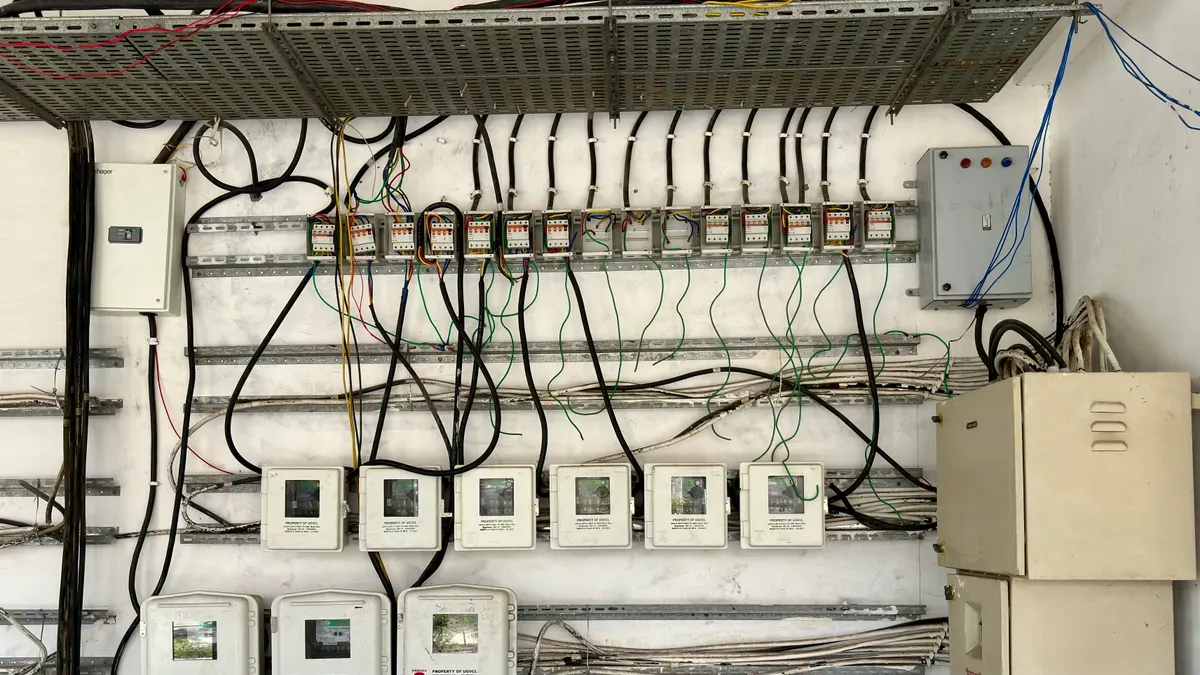
تبدأ عملية تصنيع حزم الأسلاك بتحليل شامل للمتطلبات. تُحدد هذه الخطوة الأساس لمشروع أسلاك الطاقة الجديدة المُصمم خصيصًا لحزم الأسلاك. يجب عليك تحديد المتطلبات الكهربائية والميكانيكية والبيئية لتطبيقك. بالنسبة لأنظمة الطاقة الشمسية والمركبات الكهربائية وأنظمة تخزين الطاقة، يجب مراعاة عوامل مثل الجهد والتيار ودرجة الحرارة والاهتزاز والتعرض للمواد الكيميائية أو الرطوبة.
كما تقوم بمراجعة معايير ولوائح الصناعة لضمان الامتثال والسلامة. يوضح الجدول التالي المعايير الرئيسية التي يجب الرجوع إليها أثناء تحليل المتطلبات:
المعيار/اللوائح | وصف |
|---|---|
UL | معايير مقاومة الحريق والسلامة للمكونات الكهربائية. |
اللجنة الكهروتقنية الدولية | المعايير الدولية لسلامة المعدات الكهربائية. |
RoHS | القيود المفروضة على المواد الخطرة في المعدات الكهربائية. |
IATF 16949 | معايير إدارة الجودة في صناعة السيارات. |
ISO 13485 | معايير إدارة جودة الأجهزة الطبية. |
IPC/WHMA-A-620A | معايير تجميع أسلاك التوصيل. |
تضمن أن حزمة الأسلاك المصممة خصيصًا تلبي متطلبات السلامة من الحرائق، والمتطلبات البيئية، والتوافق الكهرومغناطيسي. يساعدك هذا النهج على تقديم حلول تعمل بكفاءة عالية في بيئات الطاقة الجديدة المتطلبة.
يُعدّ تصميم وهندسة حزم الأسلاك عنصرًا أساسيًا في نجاح مشروعك. تبدأ بفهم متطلبات التطبيق، بما في ذلك الظروف البيئية والأحمال الكهربائية. ثمّ تختار التصميم الأمثل والتنظيم الأمثل لحزم الأسلاك، مع التركيز على التوجيه والتجميع الفعالين. تُقلّل هذه الاستراتيجية من الفوضى وتُسهّل الصيانة المستقبلية.
تُعطي الأولوية للتوافق الكهربائي والسلامة باختيار مقاس السلك المناسب والموصلات عالية الجودة. كما تُراعي الحماية والتأريض للحماية من التداخل الكهرومغناطيسي. خلال هذه المرحلة، تُعدّ رسومات ومواصفات تفصيلية. وقد تُطوّر نموذجًا أوليًا لاختبار الأداء في ظروف الاستخدام الفعلي قبل الانتقال إلى الإنتاج الكامل. يضمن الاختبار الوظيفي والتوثيق أن نظام الأسلاك المُصمّم خصيصًا لتوصيلات الطاقة الجديدة يُلبي جميع معايير الموثوقية والامتثال.
يؤثر اختيار المواد بشكل مباشر على متانة وأداء حزمة الأسلاك. يتم اختيار الموصلات مثل النحاس أو الألومنيوم لمزاياها من حيث التوصيلية الممتازة وخفة الوزن. أما بالنسبة للعزل، فيتم تقييم مواد مثل PVC أو التفلون أو السيليكون بناءً على نطاق درجة الحرارة ومقاومة المواد الكيميائية والمرونة. وتوفر خيارات الحماية، بما في ذلك الرقائق المعدنية أو الأسلاك المضفرة، حماية للنظام من التداخل الكهرومغناطيسي.
عندما تحتاج إلى مقاومة منخفضة وقدرة تيار عالية، فإنك تختار منتجات متخصصة مثل كابل توصيل طاقة منخفض المقاومةيدعم هذا الكابل نقل الطاقة بكفاءة عالية في التطبيقات التي تتطلب طاقة عالية، مثل بطاريات السيارات الكهربائية ومحولات الطاقة الشمسية. كما يُراعى استخدام مواد مقاومة للهب والحرارة لضمان معايير السلامة وإطالة عمر الكابل.
نوع المادة | المواد الشائعة | غاية |
|---|---|---|
قادة الفرق الموسيقية | النحاس، الألومنيوم | موصلية ممتازة؛ سعر معقول؛ مراعاة الوزن |
العزل | بولي فينيل كلوريد، تفلون، سيليكون | بناءً على درجة حرارة التشغيل والتعرض للمواد الكيميائية والمرونة |
الحماية | رقائق معدنية، سلك مضفر | يحمي من التداخل الكهرومغناطيسي (EMI) لضمان سلامة الإشارة |
بعد الانتهاء من التصميم واختيار المواد، تنتقل إلى مرحلة التجميع ومراقبة الجودة. تتضمن عملية تصنيع أسلاك التوصيل عدة خطوات دقيقة:
قطع الأسلاك وتجريدها: تقوم بقطع الأسلاك إلى أطوال دقيقة وإزالة العازل دون إتلاف الموصل.
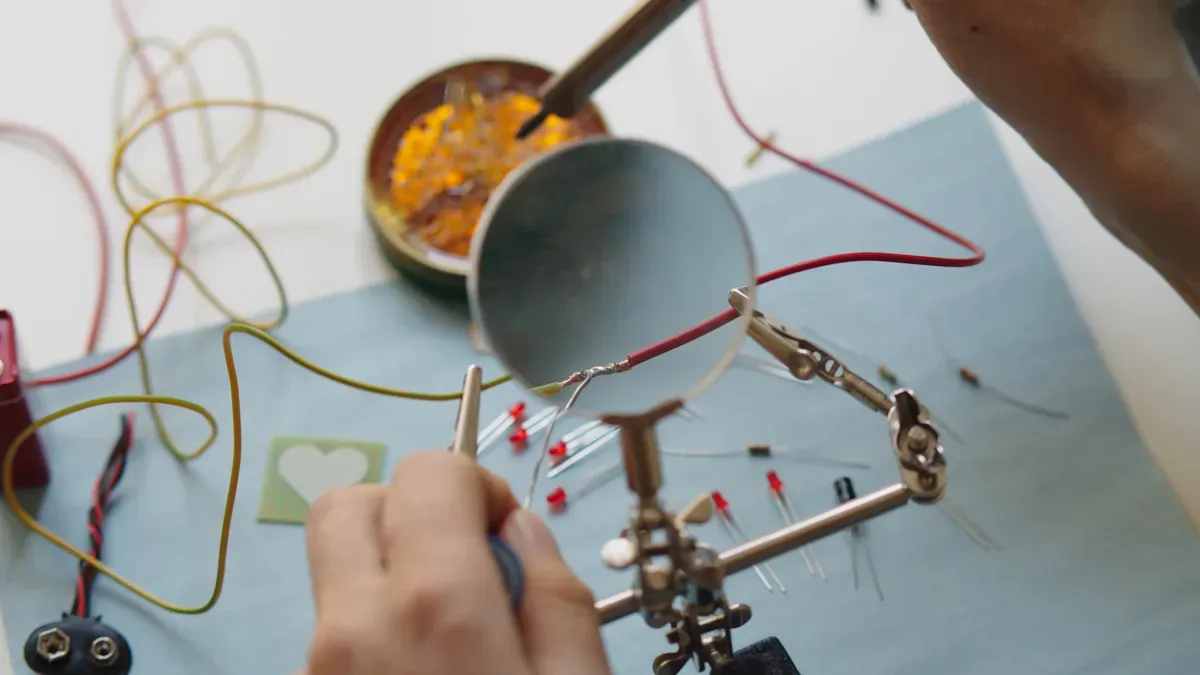
التجعيد واللحام: يتم توصيل الأطراف باستخدام التجعيد أو اللحام، مما يضمن توصيلات كهربائية قوية.
التجميع والتوجيه: تقوم بتنظيم الأسلاك على لوحة التجميع، باتباع مواصفات تصميم حزمة الأسلاك.
غطاء واقٍ: تقوم بتطبيق مواد عازلة أو أكمام أو أغطية لحماية الحزام من التآكل والمخاطر البيئية.
وضع العلامات والتعريف: قم بتسمية كل سلك وموصل لتسهيل التركيب والصيانة.
يُعدّ ضبط الجودة أمرًا بالغ الأهمية في كل مرحلة. يتم فحص المكونات الواردة قبل بدء الإنتاج. ويتم إنشاء نموذج أولي للتحقق من صحة التصميم. وتُجرى اختبارات أثناء عملية التصنيع للتأكد من مطابقة المنتج للمواصفات أثناء التجميع. كما يتم إجراء فحص نهائي واختبارات كهربائية للتأكد من أن كل مجموعة أسلاك مخصصة تلبي متطلبات السلامة والكفاءة والامتثال.
نصيحة: إن إزالة العزل بشكل متسق، والتحكم الدقيق في الطول، والفحص البصري في كل خطوة يساعدك على الحفاظ على جودة عالية وتقليل مخاطر الفشل في الموقع.
يمكنك الحصول على حزم أسلاك موثوقة وعالية الأداء لأنظمة الطاقة الجديدة من خلال اتباع أفضل الممارسات هذه طوال عملية تصنيع حزم الأسلاك.
يُعدّ اختيار المورّد المناسب لأنظمة الأسلاك أمرًا بالغ الأهمية لنجاح مشروع الطاقة الجديد الخاص بك. لذا، يُنصح بالبحث عن شركاء ذوي خبرة مثبتة في مجال أنظمة الأسلاك المخصصة لأنظمة الطاقة الجديدة. فالمورّدون الذين يتمتعون بسجل حافل في تطبيقات الطاقة الشمسية والمركبات الكهربائية وتخزين الطاقة، قادرون على تقديم حلول موثوقة تلبي احتياجاتك الفنية والتنظيمية.
يجب عليك التحقق من حصول موردك على شهادات الاعتماد الصناعية ذات الصلة. تُظهر هذه الشهادات التزامه بالجودة والامتثال للمعايير. بالنسبة لتطبيقات السيارات والطاقة، تُعدّ شهادات مثل IATF 16949 وISO 9001 مهمة. يوضح الجدول التالي أهم شهادات الاعتماد:
شهادة | وصف |
|---|---|
IATF 16949 | إدارة الجودة في صناعة السيارات، والحد من المخاطر، والتحسين المستمر. |
ISO 9001 | إدارة الجودة العامة لضمان اتساق العمليات والمنتجات. |
ينبغي عليك أيضاً التحقق من الشهادات المتعلقة بالمعايير البيئية والسلامة، والتي تساعد على ضمان أن حزمة الأسلاك المخصصة الخاصة بك تلبي جميع المتطلبات.
تستثمر إحدى الشركات الرائدة في توريد أسلاك التوصيل في أحدث التقنيات والمعدات. ستستفيد من خطوط التجميع الآلية، وأدوات التثبيت الدقيقة، وأنظمة اختبار الجهد العالي. تدعم هذه الأدوات التصاميم المعقدة والتركيبات عالية الموثوقية. يستخدم موردون مثل شركة "سمارت كونكشن تكنولوجي" إمكانيات تصنيع قابلة للتطوير وتصميم مخصص للتعامل مع عمليات الإنتاج الصغيرة والكبيرة على حد سواء. يضمن هذا النهج حصولك على جودة ثابتة وسرعة في التسليم.
اختبار الاستمرارية الآلي
اختبار قوة سحب التجعيد
محاكاة بيئية (دورة حرارية، اهتزاز)
يُعدّ التواصل والتعاون الفعّال مع المورّد من أهم عوامل نجاح المشروع. لذا، يجب أن تتوقع دعمًا هندسيًا خلال مرحلة التصميم، وليس مجرد التجميع الأساسي. فالحوار المفتوح يُساعدك على معالجة التحديات مبكرًا وتكييف التصاميم وفقًا لاحتياجاتك. كما تُؤدي العلاقات المتينة مع مورّد أسلاك التوصيل إلى حلول مُخصصة تتوافق مع أهداف مشروعك وجداوله الزمنية.
نصيحة: اختر مورداً يقدر الشفافية ويعمل معك عن كثب من الفكرة إلى التسليم.
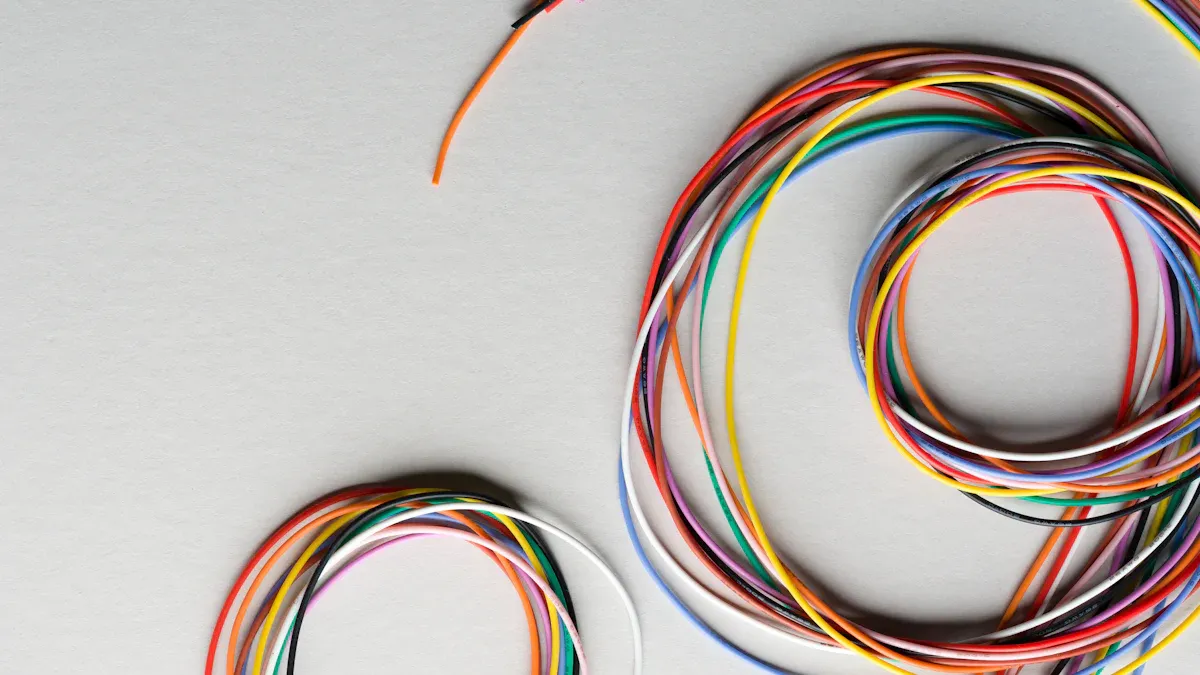
يجب اختيار الموصلات والعوازل المناسبة لتحقيق أداء موثوق في أسلاك الطاقة الجديدة المصممة خصيصًا. يبقى النحاس الموصل المفضل لمعظم التطبيقات نظرًا لموصليته الكهربائية العالية ومرونته. يوفر الألومنيوم بديلاً خفيف الوزن عندما يكون تقليل الوزن أولوية. أما بالنسبة للدوائر عالية الأداء أو الحساسة للتداخل الكهرومغناطيسي، فيوفر النحاس المطلي بالفضة موصلية محسّنة. تحمي مواد العزل مثل PVC وXLPE وPTFE الأسلاك من قصر الدائرة والمواد الكيميائية ودرجات الحرارة القصوى. يمكنك الرجوع إلى الجدول أدناه للاطلاع على نظرة عامة سريعة.
يكتب | مادة | طلب |
|---|---|---|
موصل | نحاس | موصلية عالية، مرونة |
موصل | الألومنيوم | خفيف الوزن، ويستخدم في السيارات الكهربائية وأنظمة الطاقة الشمسية |
موصل | نحاس مطلي بالفضة | دوائر عالية الأداء حساسة للتداخل الكهرومغناطيسي |
العزل | مادة PVC | للاستخدام العام، حتى 221 درجة فهرنهايت (105 درجة مئوية) |
العزل | XLPE | مقاومة للجهد العالي والزيوت والحرارة |
العزل | مادة PTFE | مقاومة فائقة للعزل الكهربائي والمواد الكيميائية |
يمكنك تخصيص طول السلك ونوع العزل ليتناسب مع متطلبات مشروعك، مما يضمن تصميمًا مثاليًا لحزمة الأسلاك لكل تطبيق.
أنت بحاجة إلى موصلات ومحطات طرفية متينة للحفاظ على اتصالات آمنة ومنخفضة المقاومة في البيئات الصعبة. منتجات مثل أطراف توصيل XH-5P إلى FDD توفر هذه المكونات أداءً موثوقًا لتطبيقات التيار العالي والتحكم. كما يمكنك استخدام أسلاك التوصيل الطرفية من سلسلة XT أو أسلاك النحاس المطلية بالقصدير UL1015 المزودة بوصلات SV/RV لشحن المركبات الكهربائية والتحكم الصناعي. تتميز هذه المكونات بموصلية عالية، ومقاومة منخفضة، وتبديد حرارة فعال. غالبًا ما تتضمن تجميعات أسلاك التوصيل المخصصة ميزات مثل ملصقات الانكماش الحراري لتسهيل التركيب والتعرف عليها.
أسلاك نحاسية مطلية بالقصدير UL1015 رقم 16AWG مزودة بموصلات SV/RV
مجموعة أسلاك توصيل طرفية من سلسلة XT لمعدات الطاقة الجديدة
حزام أمان بطول 400 مم مزود بموصل XH-5P لضمان السلامة عند الأحمال العالية
يجب مراعاة عوامل الامتثال والبيئة عند اختيار المواد لحلول أسلاك التوصيل المخصصة. توفر مواد مثل البوليمرات والمطاط والرغوة الأمان والمتانة، خاصةً في المركبات الكهربائية. ينبغي التأكد من أن جميع المكونات تفي بمعايير الصناعة مثل UL وSAE وIEC. يتطلب التعرض البيئي للمواد الكيميائية أو الرطوبة أو درجات الحرارة القصوى اختيار مواد مقاومة للهب والحرارة. يساعد نظام إدارة الجودة الفعال على ضمان الامتثال وتوفير تجميعات أسلاك توصيل مخصصة موثوقة لأنظمة الطاقة الجديدة.
نصيحة: تحقق دائمًا من أن المواد والمكونات الخاصة بك تتوافق مع المتطلبات التنظيمية والتحديات البيئية المحددة لتطبيقك.
تواجه متطلبات تنظيمية صارمة عند تصنيع أسلاك التوصيل لأنظمة الطاقة الجديدة. تتطلب تطبيقات المركبات الكهربائية الامتثال لمعايير السلامة الخاصة بالسيارات، مثل معيار ISO 26262 للسلامة الوظيفية. كما يجب عليك اتباع معايير ISO وIEC للموصلات والعزل. يضمن الالتزام بهذه المعايير أداءً موثوقًا لأسلاك التوصيل ويقلل من مخاطر الأعطال الميدانية. يعتمد مصنّعو المعدات الأصلية للسيارات على أسلاك التوصيل الكهربائية المصممة خصيصًا لتسريع عملية التركيب والحفاظ على الامتثال، وهو أمر بالغ الأهمية للسلامة والحصول على موافقة السوق.
الالتزام بمعيار ISO 26262 للسلامة الوظيفية للمركبات الكهربائية.
استخدم موصلات ومواد عازلة معتمدة.
ضمان توثيق وتتبع كل حزام.
قد تؤثر التحديات البيئية وتحديات مسارات الأسلاك على موثوقية حزم الأسلاك. فسوء تصميم المسارات قد يتسبب في تآكل الأسلاك أو تعريضها لحرارة زائدة، مما يؤدي إلى أعطال مبكرة. في مشاريع الطاقة الجديدة، غالبًا ما يتم تركيب حزم الأسلاك في مناطق ذات درجات حرارة عالية أو اهتزازات أو تعرض لمواد كيميائية. لذا، يجب تصميم حزم أسلاك تتحمل هذه الظروف القاسية وتحافظ على أدائها على المدى الطويل.
ملاحظة: يساعد التوجيه الدقيق والعزل القوي على منع الأعطال الناتجة عن الاحتكاك أو التعرض الحراري، خاصة في البيئات الصعبة.
يمكنك التغلب على هذه التحديات من خلال تبني حلول مثبتة وأفضل الممارسات:
اختر مواد متخصصة ذات استقرار حراري محسّن لتطبيقات الجهد العالي.
استثمر في المعدات المتطورة وتدريب الموظفين للتعامل مع أسلاك الجهد العالي بأمان.
تطوير عمليات تصنيع مرنة للتكيف مع معايير الصناعة المتطورة.
إجراء اختبارات صارمة للسلامة والأداء على كل مجموعة أسلاك مخصصة.
يُحفز النمو السريع لأسواق السيارات الكهربائية الابتكار في تكنولوجيا أسلاك التوصيل. من خلال التركيز على الجودة والامتثال وقابلية التكيف، تضمن تلبية أسلاك التوصيل الخاصة بك لمتطلبات أنظمة الطاقة الجديدة الحديثة.
ستواجه قرارًا حاسمًا عند اختيارك بين حزمة أسلاك مصممة خصيصًا وحزمة أسلاك قياسية لمشروع الطاقة الجديد. توفر الحلول المصممة خصيصًا العديد من المزايا التي تجعلها مثالية للبيئات الصعبة.
ستحصل على مرونة في التصميم، مما يسمح لك بتوجيه الأسلاك بكفاءة والتكامل مع أنواع مختلفة من كيمياء البطاريات أو تخطيطات النظام.
تعمل على تحسين أداء المعدات وتقليل مخاطر الأعطال لأن الضفائر المخصصة تقضي على الأسلاك السائبة وتضمن اتصالات آمنة.
ستستفيد من متانة محسّنة، حيث تتحمل هذه الحزم الحرارة والتآكل والمواد الكيميائية - وهي عوامل رئيسية في تطبيقات الطاقة الشمسية والمركبات الكهربائية وتخزين الطاقة.
يوضح الجدول التالي العوامل الرئيسية التي تحدد مدى ملاءمة الضفائر المخصصة لتطبيقات الطاقة الجديدة المحددة:
عامل | وصف |
|---|---|
مرونة التصميم | يمكنك تحديد العزل والحماية والموصلات والتخطيطات المصممة خصيصًا لتلبية احتياجات نظامك. |
الامتثال للمعايير | أنت تستوفي شهادات مثل IATF 16949 وISO 9001 وRoHS، وهي ضرورية لقطاعي السيارات والطاقة. |
متطلبات التقديم | يمكنك معالجة التوجيه الفريد، أو الموصلات المتخصصة، أو الظروف البيئية من أجل التوافق والسلامة. |
حجم الإنتاج | تستفيد من الحزم المخصصة في المشاريع ذات الأحجام المنخفضة إلى المتوسطة ذات الاحتياجات المتخصصة، بينما قد تستخدم المشاريع ذات الأحجام العالية حلولاً قياسية. |
المدة الزمنية والميزانية | قد تواجه فترات انتظار أطول وتكاليف أولية أعلى، لكنك ستحصل على قيمة وموثوقية على المدى الطويل. |
الامتثال والجودة | تضمن إمكانية التتبع والالتزام بالمتطلبات التنظيمية، وهو أمر حيوي لمشاريع الطاقة الجديدة. |
عند اختيار حزمة الأسلاك، يجب الموازنة بين التكلفة والأداء. توفر الحزم القياسية تكاليف أولية أقل وسرعة في التسليم، مما يجعلها مناسبة للتطبيقات العامة أو ذات الإنتاج الضخم. مع ذلك، توفر الحزم المصممة حسب الطلب أداءً وموثوقيةً وأمانًا فائقين في البيئات المتخصصة. صحيح أنك تستثمر أكثر في البداية، لكنك تقلل من وقت التوقف والصيانة ومخاطر الأعطال على مدار عمر النظام. بالنسبة لأنظمة الطاقة الجديدة، غالبًا ما تفوق فوائد حزمة الأسلاك المصممة حسب الطلب على المدى الطويل وفورات الحلول القياسية على المدى القصير.
نصيحة: أعط الأولوية للتكلفة الإجمالية للملكية وتوافق النظام عند الاختيار بين الأسلاك المخصصة والأسلاك القياسية لمشروع الطاقة الخاص بك.
تشهدون تحولاً جذرياً في تصنيع أسلاك التوصيل المخصصة لأنظمة الطاقة الجديدة بفضل الأتمتة. تعمل خطوط التجميع الآلية والروبوتات والتعلم الآلي على تبسيط الإنتاج، مما يتيح لكم تحقيق كفاءة ودقة أعلى. تعالج هذه التقنيات نقص العمالة وارتفاع أحجام الإنتاج، مما يسهل تلبية الطلب المتزايد. تستفيدون من المراقبة الآنية عبر تكامل إنترنت الأشياء، مما يساعدكم على جمع البيانات وتقليل وقت التوقف. تتيح لكم تقنية التوأم الرقمي محاكاة العمليات وتحسينها، مما يعزز الكفاءة بشكل أكبر.
تساهم الأتمتة والروبوتات في تقليل الأخطاء البشرية وتحسين مراقبة الجودة.
تتنبأ خوارزميات التعلم الآلي باحتياجات الصيانة، مما يمنع التأخيرات المكلفة.
المواد المتقدمة والتقنيات الذكية تدعم التصنيع المستدام.
نصيحة: يمكنك استخدام الاختبار والمراقبة الآليين لضمان أن كل حزام يفي بمعايير الجودة الصارمة، مما يزيد من الكفاءة في كل مرحلة.
ستلاحظون عدة اتجاهات تُشكّل مستقبل تصنيع أسلاك التوصيل لتطبيقات الطاقة الجديدة. تتضمن أسلاك التوصيل الذكية الآن أجهزة استشعار للمراقبة الآنية، مما يُتيح الصيانة التنبؤية وتحسين موثوقية النظام. يستخدم المصنّعون بشكل متزايد مواد قابلة للتحلل الحيوي وإعادة التدوير، دعمًا للممارسات الصديقة للبيئة. يستمر سوق أسلاك التوصيل المُخصصة في التوسع مع ازدياد شيوع المركبات الكهربائية وأنظمة الطاقة المتجددة.
تعمل أنظمة الأسلاك الذكية المزودة بمستشعرات مدمجة على تحسين الصيانة التنبؤية.
المواد الصديقة للبيئة تقلل من التأثير البيئي.
تساهم تقنيات الثورة الصناعية الرابعة، مثل إنترنت الأشياء والذكاء الاصطناعي، في تحقيق المزيد من مكاسب الكفاءة.
من المتوقع أن ينمو سوق أسلاك التوصيل العالمي بسرعة، مدفوعاً بتطورات الأتمتة.
يمكنك أن تتوقع أن تلعب الأتمتة والروبوتات دورًا أكبر، مما يساعدك على تحقيق كفاءة ودقة لا مثيل لهما في مشاريع الطاقة الجديدة الخاصة بك.
تضمن نجاح المشروع باتباع كل خطوة من خطوات تصنيع أسلاك التوصيل المخصصة. يوضح الجدول أدناه العملية:
رقم الخطوة | خطوة العملية |
|---|---|
1 | مراجعة المواصفات |
2 | تحضير المواد |
3 | قطع الأسلاك |
4 | تجريد الأسلاك |
5 | تجعيد الأطراف |
6 | إدخال العلامة |
7 | تخطيط لوحة الحزام |
8 | التجميع |
9 | وضع العلامات |
10 | الاختبارات الكهربائية |
11 | الفحص البصري |
12 | التغليف |
يدعم الاختبار والتوثيق الموثوقية. اختر تقنية الاتصال الذكي لتحقيق نتائج موثوقة في مشاريع الطاقة الخاصة بك.
أنت بحاجة إلى مجموعة أسلاك مخصصة لضمان الملاءمة الدقيقة والسلامة والأداء الأمثل في تطبيقات الطاقة الشمسية والمركبات الكهربائية وتخزين الطاقة.
تعتمد على مراقبة الجودة الصارمة والاختبارات المتقدمة والمواد المعتمدة لتلبية معايير الصناعة وتقديم أحزمة موثوقة.
يمكنك طلب أطوال وأنواع أطراف توصيل محددة لتناسب متطلبات مشروعك. يدعم التخصيص التكامل السلس والتركيب الفعال.
بريد إلكتروني : grace@smartwireconnect.com
هاتف : +8613554925749
Whatsapp : +8613554925749
2-3 Floor, No. 45, Minfu Road, Shatou Industrial Zone, Shajing Street, Bao'an District, Shenzhen, Guangdong, China


©2026 شنتشن الذكية اتصال التكنولوجيا المحدودة كل الحقوق محفوظة.
 شبكة IPv6 مدعومة